


The arrival of the Lunar New Year brings with it a palpable shift in energy, an opportunity for renewal, and a time for cherished traditions. Among the most significant of these customs is the reunion dinner, a gathering where families share a meal rich with symbolic, lucky foods. This guide explores the most important Traditional Foods to Eat for CNY 2026 Luck, offering insight into their profound cultural meanings and energetic significance.
As we prepare to enter 2026, the Year of the Fire Horse, we align ourselves with an energy of passion, ambition, and brilliant social connection. The food we choose is a powerful way to ground this dynamic force and set intentions for the year ahead. To welcome luck in 2026, families traditionally prepare a CNY reunion dinner menu 2026 featuring dishes like whole fish for abundance, dumplings for wealth, and longevity noodles for a long life, each with a unique auspicious meaning tied to the Year of the Horse 2026.
Quick Summary: Key Lucky Foods for 2026
For those seeking a swift overview, these are the essential foods to invite prosperity and good fortune in the Year of the Fire Horse:
- Whole Fish (Yú): Symbolizes surplus and abundance for the entire year.
- Dumplings (Jiǎozi): Represents wealth, shaped like ancient Chinese gold ingots.
- Longevity Noodles (Chángshòu Miàn): Signifies a long, healthy, and prosperous life.
- Nian Gao (Glutinous Rice Cake): Represents growth, promotion, and achieving new heights.
- Oranges & Tangerines: Their golden color and round shape symbolize fullness and success.
Table of Contents
Setting the Table: Understanding the Energy of the 2026 Fire Horse Year
Each year in the Chinese lunisolar calendar is governed by one of twelve zodiac animals and one of five elements. This combination creates a unique energetic signature that influences the year’s character. At Buddha Bodhis, we observe these cycles not as deterministic fate, but as flowing currents of energy we can mindfully navigate.
The year 2026 is the year of the Bing Wu (丙午), or the Fire Horse. The Horse is a creature of immense energy, independence, freedom, and social grace. It represents swift action, forward momentum, and a love for connection and adventure.
When combined with the Fire element, these qualities are magnified. Fire represents passion, brilliance, creativity, and radical transformation. The 2026 Fire Horse, therefore, ushers in a period of dynamic action, high visibility, and bold movements, making it a powerful time for innovation and personal expression. Choosing the right fire horse year lucky food can be a potent method for grounding this intense, upward-moving energy and channeling it toward positive outcomes.
Feng Shui on a Plate: Aligning with Prosperity in Period 9
The practice of Feng Shui extends far beyond the arrangement of furniture; it is a holistic system for harmonizing with the life force energy, or qi (氣), in our environment. Food is one of the most direct ways we interact with this energy, making our dining table a powerful altar for attracting luck. A meal mindfully prepared with auspicious ingredients becomes a form of edible Feng Shui.
Certain principles guide the creation of a lucky meal. Abundance is key, with a table laden with a variety of dishes signifying wealth and generosity. Round shapes, found in fruits like oranges or in sweet rice balls, symbolize completeness, harmony, and family unity. The inclusion of sweet dishes ensures a “sweet” and pleasant year ahead.
Significantly, 2026 is the second full year of Period 9 (2024-2043), the 20-year Feng Shui cycle governed by the Li Fire Trigram. This era amplifies themes of brilliance, consciousness, technology, and spiritual awakening. The Fire Horse’s energy is perfectly aligned with this period, creating an intensely fiery and transformative atmosphere. To harmonize with this, your feng shui food for luck 2026 should incorporate the Fire element through color (reds, oranges, purples) and preparation methods that use heat, such as stir-frying, grilling, and steaming.
12 Auspicious Dishes for Your Lunar New Year 2026 Menu
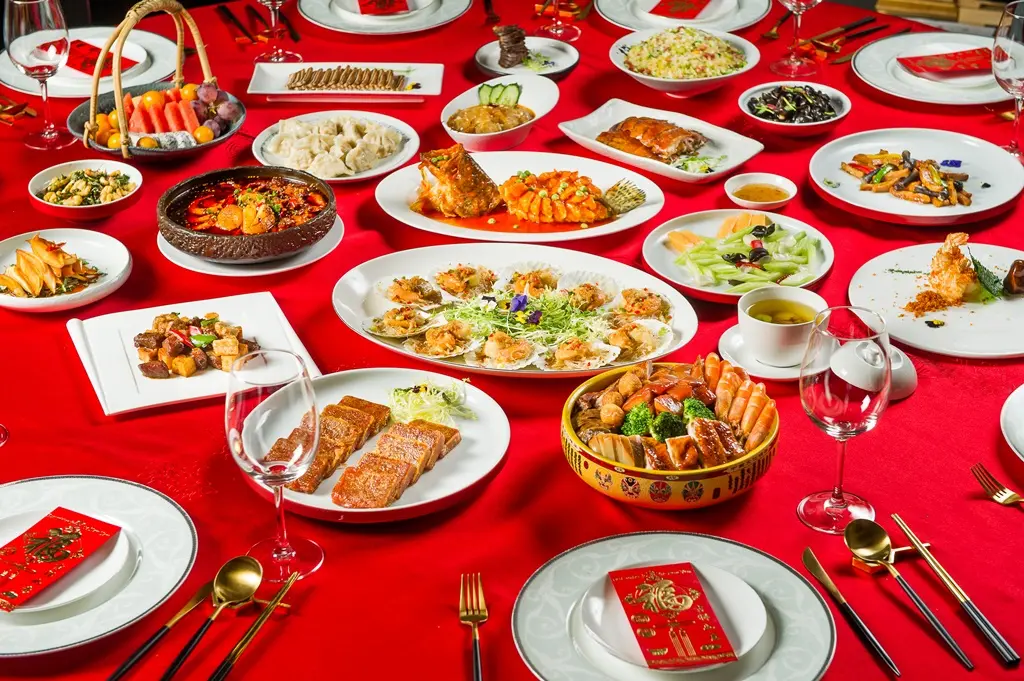
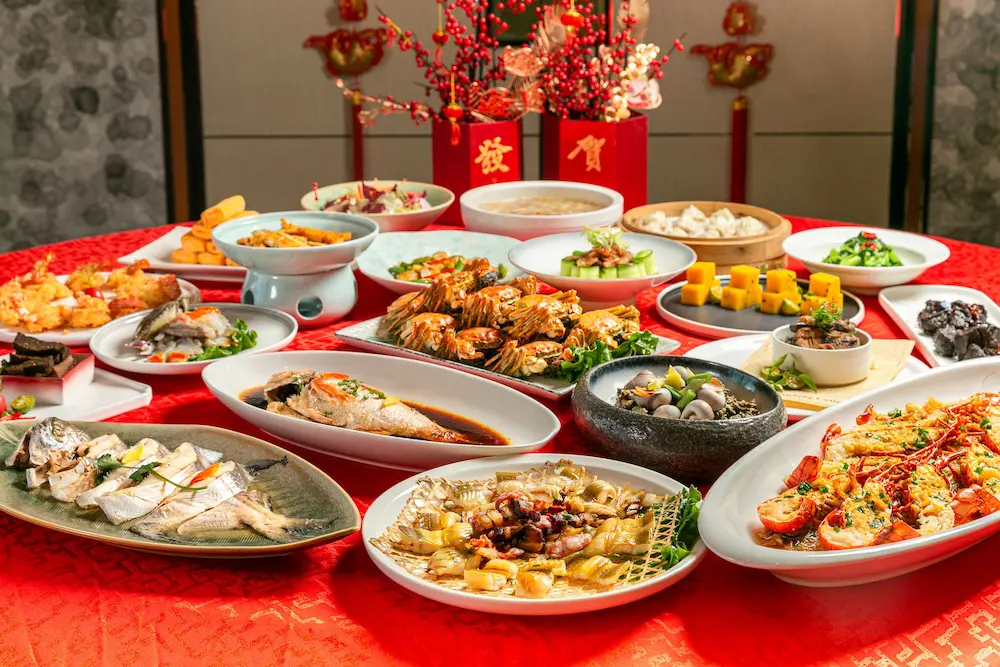
Your reunion dinner is more than a meal; it is a collection of wishes served on a plate. Each dish carries a specific intention for the coming year, rooted in linguistic puns, historical symbolism, and visual resemblances. Here are twelve essential dishes to form the foundation of your auspicious feast, a cornerstone of chinese new year food symbolism.
1. Whole Fish (鱼, Yú) — For Abundance and Surplus
🔥 No Lunar New Year feast is complete without a whole fish. The Mandarin word for fish, yú (鱼), is a homophone for surplus (余, yú). Serving a fish is a powerful invocation for abundance, ensuring that the family will have more than enough in the coming year.
The tradition of serving a whole fish chinese new year style, with its head and tail intact, is crucial. This represents a good beginning and a prosperous end to the year. Custom dictates that the head of the fish should be pointed toward the guest of honor or the elders, and it is considered lucky to leave a small portion of the fish uneaten to physically manifest the “surplus” you wish to carry into the new year.
2. Dumplings (饺子, Jiǎozi) — For Wealth and Fortune
💰 Dumplings are a beloved symbol of wealth. Their shape is a deliberate imitation of ancient Chinese currency, the boat-shaped gold and silver ingots known as yuanbao (元宝). Eating dumplings is therefore a way of welcoming immense fortune and prosperity.
The process of making dumplings is itself a cherished family ritual. Generations gather to fold the delicate wrappers around savory fillings, reinforcing family bonds. For an extra touch of luck, some families will hide a clean coin inside one dumpling; whoever finds it is believed to have exceptional luck for the entire year.
3. Longevity Noodles (长寿面, Chángshòu Miàn) — For a Long and Healthy Life
🍜 These noodles are a testament to the wish for a long and healthy life. The symbolism lies entirely in their extraordinary length. Each strand represents the eater’s life journey, and to ensure its longevity, the noodles must be eaten without being cut.
Preparing longevity noodles requires skill, as they are often made from a single, continuous strand of dough. When eating them, one must slurp them up carefully, trying not to break them with their chopsticks. This act of mindful eating reinforces the wish for an unbroken, smooth, and long life.
4. Glutinous Rice Cake (年糕, Niángāo) — For Growth and Promotion
📈 The auspiciousness of this sticky, sweet cake comes directly from its name. The term niángāo (年糕) sounds identical to the phrase “year high” (年高). This phonetic link makes eating nian gao a powerful symbol for achieving greater heights in the coming year.
The nian gao meaning encompasses wishes for a higher income, a promotion at work, business growth, or even for children to grow taller. Its versatility allows it to be served in various ways—steamed, pan-fried, or added to savory soups—making it a staple throughout the festival period. According to culinary historians, its origins trace back thousands of years as a ceremonial offering, detailed in traditions shared across Asia and beyond as seen in this cultural overview of the food.
5. Sweet Rice Balls (汤圆, Tāngyuán) — For Family Unity and Togetherness
🏠 Served in a warm, sweet broth, tangyuan are small, round dumplings made from glutinous rice flour. Their name, tāngyuán, sounds similar to the word for reunion, tuányuán (团圆). Their round shape further symbolizes completeness and harmony.
Eating tangyuan with family, especially during the Lantern Festival which marks the end of the New Year celebrations, is a deeply meaningful act. It represents the family coming together, whole and complete. The shared bowl reinforces the bonds of kinship and the wish for continued unity throughout the year.
6. Spring Rolls (春卷, Chūnjuǎn) — For a Prosperous New Start
🌟 Named for the Spring Festival itself, these crispy rolls are symbols of wealth. When fried to a perfect golden-brown, their cylindrical shape strongly resembles bars of solid gold. Eating them is a wish for prosperity and a fresh, wealthy start to the new year.
Their savory filling of vegetables, and sometimes meat, represents the bounty of the spring harvest. They are a popular dish not just for their symbolism but for their delicious taste, a favorite among all ages during the celebrations.
7. Good Fortune Fruits (Oranges, Pomelos, Tangerines) — For Fullness and Wealth
🍊 Fruits play a vital role in New Year symbolism, particularly those that are round and golden. Oranges and tangerines are highly prized, as their color represents gold and their round shape signifies completeness. The Chinese word for orange, chéng (橙), sounds like the word for success (成).
Pomelos are also considered lucky, as their name in Chinese, yòu (柚), sounds like the word “to have” (有). Displaying these fruits in the home and offering them to guests is a way of wishing them abundance and good fortune. Their bright, citrusy scent also helps to refresh and uplift the energy of a space.
8. Whole Chicken (鸡, Jī) — For Family, Unity, and a Good Marriage
🛡️ A whole chicken, similar to a whole fish, symbolizes family unity and completeness. The Chinese word for chicken, jī (鸡), sounds like the word for good fortune or auspiciousness, jí (吉). Serving it whole, including the head and feet, signifies reunion and wholeness.
It is often presented as an offering to ancestors, showing respect and connecting the family across generations. For those seeking partnership, it is also associated with a happy and prosperous marriage.
Fire Horse Takeaway: Embracing Red and Gold
For the 2026 Fire Horse year, which resonates strongly with the Period 9 Fire element, emphasize foods with red and gold hues. Think of stir-fried shrimp (red for luck), sweet and sour dishes with their vibrant orange-red sauce, and golden-fried spring rolls. These colors directly nourish the
prevailing energy of the year, amplifying your intentions for brilliance and success.
9. Leafy Greens (e.g., Lettuce) — For Growing Wealth
🌿 Leafy greens are a simple but potent symbol of growing fortune. The Cantonese word for lettuce, sang choy (生菜), sounds very similar to the phrase “to make money” or “growing wealth” (生财, shēng cái). It is often served in stir-fries or used as a wrap for other savory fillings.
Eating these greens is an expression of hope for continuous and ever-increasing prosperity in the new year. Their vibrant green color also represents new life and a fresh start.
10. Shrimp (虾, Xiā) — For Happiness and Laughter
😊 The symbolism of shrimp is found in its sound. In Cantonese, the word for shrimp, “ha,” sounds exactly like laughter (哈). Therefore, serving and eating shrimp is a way to wish for a year filled with joy, happiness, and constant laughter.
Their curved shape is also said to resemble a smiling elder, reinforcing the wish for a long and happy life. Their naturally red color when cooked adds to their auspiciousness, tying into the themes of luck and celebration.
11. Seeds (Melon, Lotus, etc.) — For Fertility and Posterity
🧭 Seeds of all kinds—lotus seeds, watermelon seeds, sunflower seeds—are symbolic of fertility and having many children. The Chinese character for seed (子, zǐ) is the same as the character for child or son. Offering a tray of roasted seeds to guests is a wish for a large and thriving family.
This symbolism speaks to the ancient cultural value placed on continuing the family line. It represents the hope for many descendants and a legacy that endures through generations.
12. Tray of Togetherness — For a Sweet and Abundant Year
✨ This is not a single dish but a curated collection of sweets and snacks served in a circular or octagonal tray. Each compartment holds a treat with a specific meaning: candied melon for good health, red melon seeds for joy, lotus seeds for fertility, and coconut for togetherness. Offering this tray to guests is a gesture of hospitality and a wish for a sweet, abundant, and well-rounded new year.
Crafting Your Perfect CNY Reunion Dinner Menu 2026
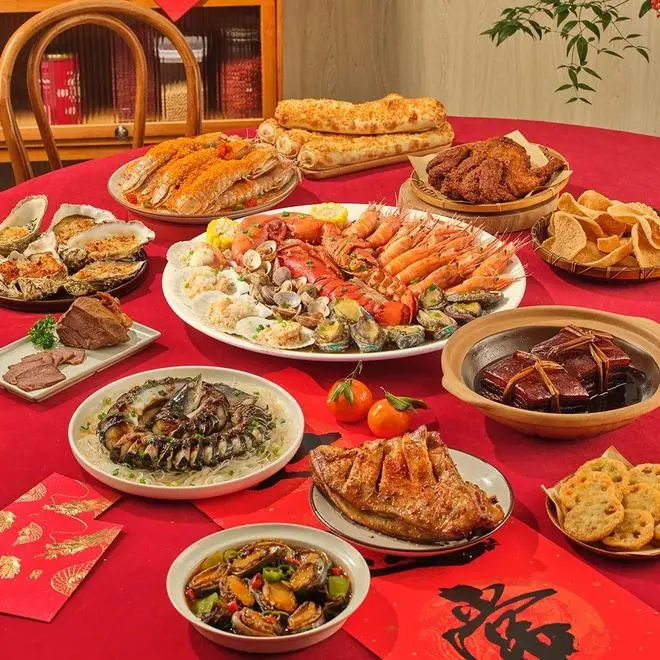
The New Year’s Eve reunion dinner, known as nián yè fàn (年夜饭), is arguably the most important meal of the year. It is a time for family members to travel from near and far to be together. Crafting a menu is an act of love and intention, balancing flavors, textures, and, most importantly, auspicious symbolism.
A foundational plan for those seeking foods to eat for prosperity 2026 should include the core four: a whole fish for surplus, a whole chicken for unity, dumplings for wealth, and longevity noodles for health. Around this core, you can add other dishes like shrimp for happiness, leafy greens for growing wealth, and spring rolls for a golden start.
The goal is to create a sense of overwhelming abundance on the table, a visual representation of the prosperity you wish to manifest. Remember to balance cooking methods—include steamed, stir-fried, and braised dishes for a harmonious dining experience. The entire event is a cherished part of the Lunar New Year tradition, celebrated by billions worldwide.
The 2026 Annual Flying Stars: Harmonizing Your Home’s Energy
Beyond the dining table, the energy of our homes is also influenced by annual Feng Shui shifts. The Flying Stars are nine moving energies that visit different sectors of a home each year, bringing either auspicious or challenging influences. Knowing their locations for 2026 allows you to place enhancers or remedies to optimize your luck. Below is the chart for the year, which begins on Li Chun, February 4, 2026.
Foods to Avoid During the Lunar New Year Period
Just as some foods are eaten to attract good luck, others are traditionally avoided to prevent misfortune. Observing these customs demonstrates a deeper understanding of the cultural nuances surrounding the festival. This practice adds to the integrity of your energetic preparations.
Porridge, or congee, is considered a food of poverty and is never eaten for breakfast on New Year’s Day, as it is believed to set a precedent of lack for the year. Similarly, white foods like plain tofu are avoided because white is the color associated with mourning and funerals in Chinese culture. Finally, it is important to maintain the integrity of “whole” items; avoid cutting noodles or serving a fish that isn’t complete, as this could symbolize cutting short one’s life or prosperity.
A Note on Mindful Consumption
The symbolism of these foods is activated through intention. As you eat, be present with the meaning behind each dish. When you eat longevity noodles, visualize a long and healthy life. When you share dumplings, feel the energy of wealth and family connection. This mindful approach transforms
a simple meal into a powerful ritual of manifestation.
Beyond the Meal: Mindful Preparations for a Lucky 2026
The auspicious meal is the centerpiece of the celebration, but it is supported by other important preparations. One of the most vital is the thorough cleaning of one’s home *before* New Year’s Day. This act symbolically sweeps away any lingering bad luck or stagnant energy from the previous year, creating a clean slate for good fortune to enter.

This is also a time for intention-setting and reflection. As you prepare your home and your meal, consider what you wish to call in during the dynamic Fire Horse year. This period also calls for an understanding of concepts like the Tai Sui (Grand Duke Jupiter), an energy that occupies a specific compass direction each year. In 2026, those with zodiac signs in conflict with the Horse may be advised to be more mindful, a practice of respect for cosmic energies rather than a source of fear. You can learn more about this and other influences if you read: The Year of the Fire Horse 2026: Your Complete Feng Shui & Chinese Zodiac Forecast.
For those looking to align their personal energy and space with the powerful currents of the new year, our curated collections offer support and inspiration. You can see YEAR OF THE HORSE 2026 picks for 2026 to find items that resonate with this vibrant period. We also encourage you to explore 2026 related guides for deeper insights into the year’s potential.
✅ Your 2026 Preparation Checklist
- Clean Your Space: Thoroughly clean your home before New Year’s Day (Feb 17, 2026) to clear out last year’s energy. Do not sweep on New Year’s Day itself.
- Plan Your Menu: Select at least 6-8 auspicious dishes for your reunion dinner, focusing on the core symbols of abundance (fish), wealth (dumplings), and longevity (noodles).
- Set Intentions: Reflect on what you want to achieve in the dynamic Fire Horse year. Write down your goals for personal growth, career, and relationships.
- Prepare Red Envelopes: Fill red envelopes (hóngbāo) with crisp, new bills to give to children and elders as a blessing of good fortune and protection.
Frequently Asked Questions About Chinese New Year Lucky Foods
Q1: What to eat on Chinese New Year for good luck?
The most essential foods include a whole fish for an annual surplus of wealth and prosperity, dumplings shaped like gold ingots for fortune, longevity noodles for a long and healthy life, and nian gao (glutinous rice cake) for progress and promotion. The core principle is choosing foods whose names or shapes sound like or resemble auspicious words and concepts.
Q2: What are the luckiest Chinese foods to eat?
Universally, the luckiest foods are considered to be fish (surplus), dumplings (wealth), spring rolls (also wealth, like gold bars), and tangyuan (family unity). These four are almost always present in celebrations because their symbolism is so powerful and widely understood.
Q3: What foods attract money?
Several foods are directly tied to attracting wealth. Dumplings are the most prominent, as they look like ancient money. Spring rolls resemble gold bars. Oranges and tangerines, with their golden color, symbolize money and success. Finally, leafy greens like lettuce have a name that sounds like “growing wealth.”
Q4: What are 6 lucky foods for Chinese New Year?
A great list of six essential lucky foods to include in any celebration would be: 1. Fish (for surplus) 2. Dumplings (for wealth) 3. Longevity Noodles (for health) 4. Spring Rolls (for prosperity) 5. Nian Gao (for growth) 6. Oranges (for success and fullness)
Q5: What is the best color to wear for Chinese New Year?
Red is the most traditional and auspicious color, symbolizing luck, joy, and protection from negative energy. For the 2026 Year of the Fire Horse, other colors associated with the Fire element are also highly favorable. These include bright orange, magenta, fuchsia, and purple, which all resonate with the brilliant and transformative energy of the year.
Conclusion: Reflecting on the Year Ahead
The tradition of preparing and sharing lucky foods is a beautiful practice that transcends mere superstition. It is a profound act of intention, a way to weave hopes for the future into the very fabric of a family gathering. It is about connection—to our heritage, to our loved ones, and to the energetic currents of the year.
As we enter the Year of the Fire Horse, a time of passion, progress, and brilliant connection, the reunion dinner becomes a grounding ritual. It centers us in the values of family, abundance, and optimism, providing the nourishment we need to move boldly into the future. Embracing the spirit of togetherness and hope that this meal represents is the truest way to welcome good fortune.
As you plan your menu, consider what to eat for good luck 2026 not just as a recipe, but as a way to set a beautiful intention for the year to come. We wish you a happy, healthy, and exceptionally prosperous Lunar New Year.

Cultural Researchers & Feng Shui Practitioners. We have been exploring traditional year-based wisdom and spiritual symbolism since 2020.